1
2
3
4
5
6
7
8
9
10
11
12
13
14
15
16
17
18
19
20
21
22
23
24
25
26
27
28
29
30
31
32
33
34
35
36
37
38
39
40
41
42
43
44
45
46
47
48
49
50
51
52
53
54
55
56
57
58
59
60
61
62
63
64
65
66
67
68
69
70
71
72
73
74
75
76
77
78
79
80
81
82
83
84
85
86
87
88
89
89
90
91
92
93
94
95
96
97
98
99
100
101
102
103
104
105
106
107
108
109
110
111
112
113
114
115
116
117
118
119
120
121
122
123
124
125
126
127
128
129
130
131
132
133
134
135
136
137
138
139
140
141
142
143
144
145
146
147
148
149
131
132
133
134
135
136
137
138
139
140
141
142
143
144
145
146
147
148
149
150
151
152
153
154
155
156
157
158
159
160
161
162
163
164
165
166
167
168
169
170
171
172
173
174
175
176
177
178
179
180
181
182
183
184
185
186
187
188
189
190
191
192
193
A 32-GPU rig of NVIDIA RTX 3090 cards that I built in high school with my father and my cousin, then ran for five years. It taught me power distribution, thermal planning, and how to diagnose GPU failures under sustained load. With mining no longer profitable, I'm converting the hardware into an AI compute cluster.

This project is how I got into engineering. In high school, my father, my cousin, and I built a 32-GPU mining rig on NVIDIA RTX 3090 cards, even though none of us had worked with electrical systems or large-scale computing before. The constraints were real. Power had to stay within safe, cost-effective limits, GPU failures and heat needed constant debugging, and profit depended on recovering a large upfront cost as mining got harder. We optimized power distribution, airflow, and load balancing across all 32 GPUs, and an electrician helped wire power through the house. I managed configuration, performance tuning, firmware updates, and long-term operation, and I tracked metrics to find failing parts. The rig ran for five years and recovered its initial cost. Now that mining is no longer profitable, I'm converting it into an AI compute cluster that reuses the same monitoring workflows and hardware experience.
We optimized power distribution, airflow, and load balancing across all 32 GPUs, and an electrician helped wire power through the house. I managed configuration, performance tuning, firmware updates, and long-term operation, and I tracked metrics to find failing parts.
The rig ran for five years and recovered its initial cost. Now that mining is no longer profitable, I'm converting it into an AI compute cluster that reuses the same monitoring workflows and hardware experience.

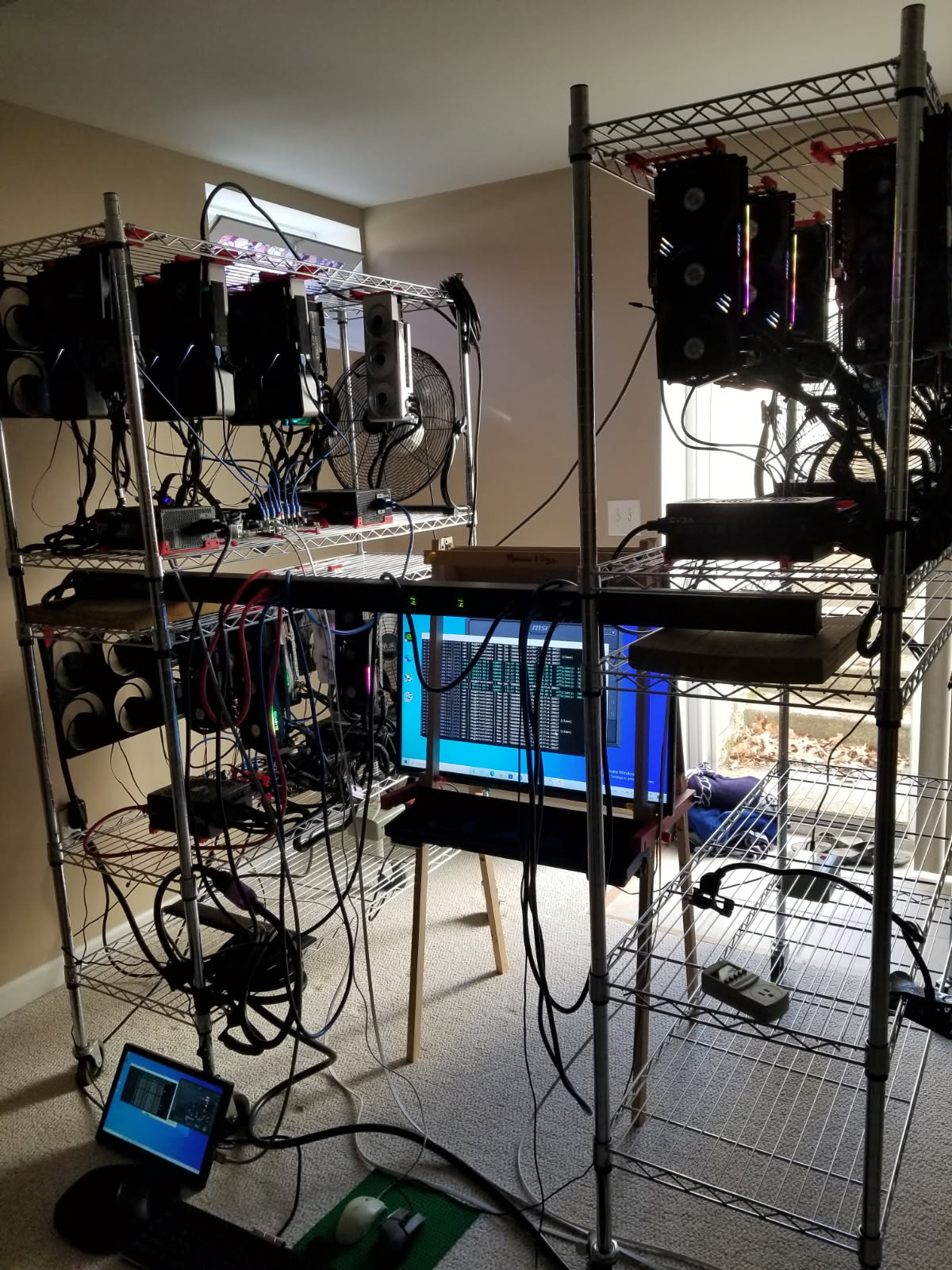
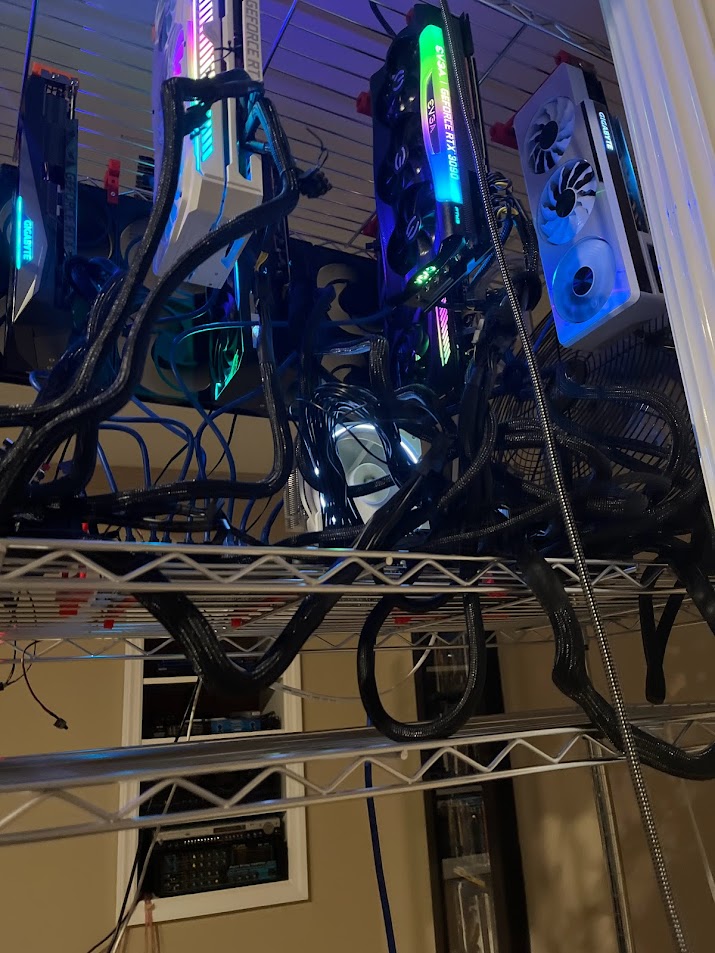
It taught me power distribution, thermal planning, and how to diagnose GPU failures under sustained load.
/