1
2
3
4
5
6
7
8
9
10
11
12
13
14
15
16
17
18
19
20
21
22
23
24
25
26
27
28
29
30
31
32
33
34
35
36
37
38
39
40
41
42
43
44
45
46
47
48
49
50
51
52
53
54
55
56
57
58
59
60
61
62
63
64
65
66
67
68
69
70
71
72
73
74
75
76
77
78
79
80
81
82
83
84
85
86
87
88
89
89
90
91
92
93
94
95
96
97
98
99
100
101
102
103
104
105
106
107
108
109
110
111
112
113
114
115
116
117
118
119
120
121
122
123
124
125
126
127
128
129
130
131
132
133
134
135
136
137
138
139
140
141
142
143
144
145
146
147
148
149
131
132
133
134
135
136
137
138
139
140
141
142
143
144
145
146
147
148
149
150
151
152
153
154
155
156
157
158
159
160
161
162
163
164
165
166
167
168
169
170
171
172
173
174
175
176
177
178
179
180
181
182
183
184
185
186
187
188
189
190
191
192
193
An FPGA-based ground mission-control box for an experimental steerable-rocket research project. I'm building the digital logic, communication paths, and operator workflows that link the ground node to the vehicle during testing, and I verify them in simulation first. Testing is planned with the UMD Rocketry Club.
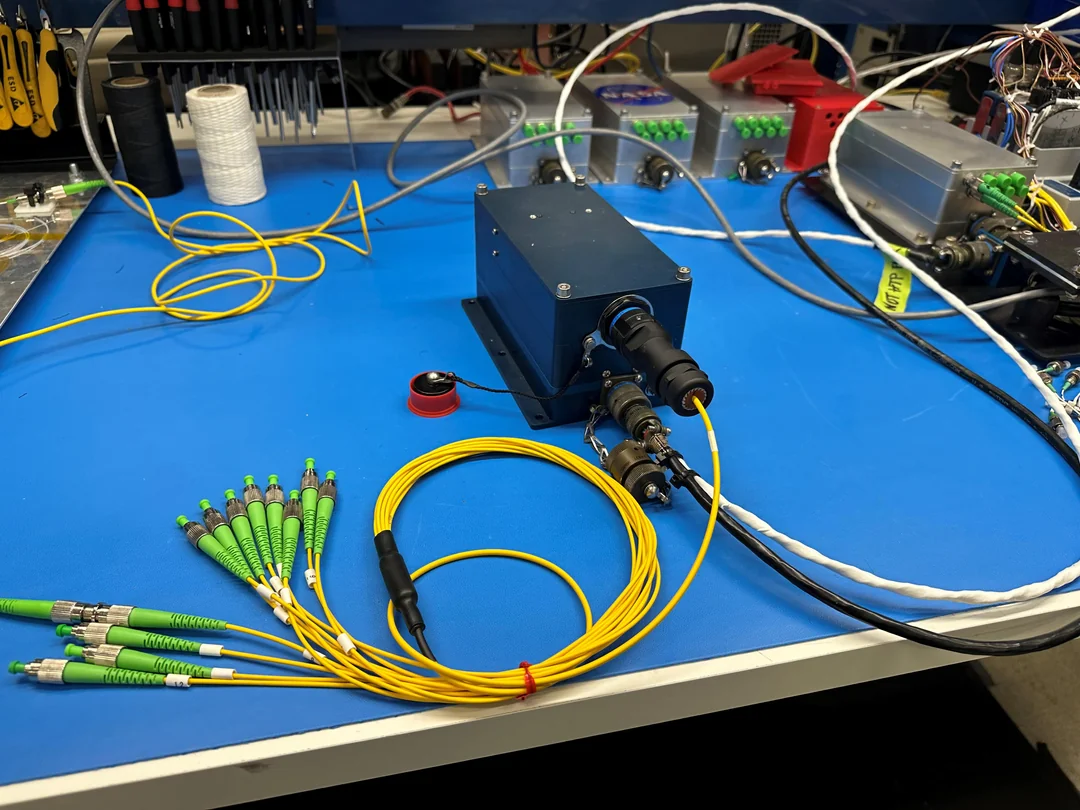
The Flight Box is an FPGA-based ground station for an ongoing, experimental steerable-rocket research project. Hardware logic handles mission states and telemetry with low, predictable latency. I'm building the digital interfaces, communication paths, and mission workflows that link the ground node to the vehicle during testing. That covers FPGA modules for mission states and command decoding, the ground box layout and signal routing, and the operator interface for loading mission profiles and monitoring status. Timing, state machines, and communication paths are checked in simulation before any hardware test. I plan to work with the UMD Rocketry Club on future testing.
Timing, state machines, and communication paths are checked in simulation before any hardware test.


/